
Let’s be real—there’s no such thing as one perfect trail running shoe. There’s however the perfect shoe for your foot, your trails, your mileage, and your mood. And much like many other things, over time, your preferences will change, just like your body changes. I used to always reach for the most minimalist shoe I could find, but now, at 40 – I am loving my big cushy Hoka’s. Over the past couple of weeks, as I’ve ramped up my trail run training for an upcoming multi day adventure race, I have been testing a few new shoes that have really made my re-entry into running alot more fun and pleasant. Before, I would always kind of dread my running days, but now I look forward to them. There’s just something so simple and satisfying about lacing up your shoes and walking out the door. No extra gear needed. Just you, your running shoes (and snacks of course!).
Whether you’re chasing ultras, racing short and fast, or just getting into trail running, the right shoe makes a world of difference, just like a good mountain bike can make the ride so much more enjoyable.
Below, I have put together a simple guide on what to look for in a shoe, how to choose and a list of my current favorites that myself and my husband (thank you Jason!) have been putting to the ultimate test on alpine ridges, scree fields, sandy desert scrambles, muddy, slippery forest trails, smooth dirt trails and everything inbetween.
Things to Consider When Choosing a Trail Running Shoe
Outsole & Traction
Start by checking out the outsole and ask yourself: Where will I be running most of the time?
If you’ll be on loose or slippery terrain, look for shoes with aggressive lugs for grip in mud and dirt, and sticky rubber compounds for wet rock. Smooth, buffed-out trails don’t need as much bite, so a lower-profile tread will do just fine—and often feels faster.
The Upper
What does the upper look and feel like—and will it hold up on your runs?
If you tend to bomb down scree fields or run rougher, more technical terrain, go for a durable upper with reinforced toe caps.
Planning to cross creeks or rivers? Make sure the shoe drains well and dries quickly.
If you mostly stick to groomed dirt or smoother trails, a softer, more breathable upper will likely be more comfortable.
Cushioning
This one’s totally personal.
I used to swear by zero-drop shoes like Inov-8s—I loved feeling the trail underfoot. But once I started running longer distances (especially on hard or uneven ground), my feet would ache by mile 20.
I thought cushioned shoes would feel unstable or increase the risk of ankle rolls because I couldn’t “feel” the ground—but when I finally tried them, I was surprised. They actually helped me run longer and recover better. Sure, it took some getting used to (and I still stay on top of my ankle strength work), but for me, it’s been a solid tradeoff.
In general, higher stack = more cushioned and forgiving, while lower stack = more nimble and responsive.
Foot Shape & Distance
Know your foot shape. Are you narrow, wide, or somewhere in between? Some brands make the same model in different widths (which is great), while others offer totally different shoes designed for specific foot types.
Also think about how far you typically run. If you’re tackling marathons or ultras, even a narrow foot might appreciate a roomier toebox. But if you mostly run 5Ks or fast short sessions, a snugger fit may feel better and more secure.
Drop: Heel-to-Toe or Natural?
“Drop” is the difference in height from the heel to the forefoot.
- High drop (8–12mm): Generally, these are more of a traditional and are good for heel strikers or those used to road running.
- Low drop (0–6mm): These shoes have more natural feel and can promote midfoot or forefoot striking.
There’s no “best” here—it’s about what your body’s used to and what feels good over time.
Lacing Systems
It seems small, but laces can make or break a shoe’s comfort and your over all experience—especially on long runs. I used to not think it was such a big deal, but after many years of adventure racing and running off trail, laces are one of the most important pieces of a shoe because they can either keep getting untied and cause tripping/and can be annoying/ take time to constantly retie or they can be in place and not bother you at all. There are two popular laces on shoes, the quick draw with a locking system or having traditional laces. Both methods work, but it can take practice (yes even at 40 years old!) in getting your laces to stay tied in some unforgiving terrain.
Some brands like Salomon use a quick-pull drawcord system with a little “lace garage” to tuck the end away, keeping it sleek and snag-free. It’s fast, secure, and great if you’re adjusting your fit on the fly.
Others use traditional laces, which are easy to replace and often allow for more custom lacing patterns—great if you deal with hot spots or want to tweak midfoot vs. forefoot tension.
There’s no wrong answer here—it just depends on what you prefer (and how often you stop mid-run to re-tie your shoes).
1. Best Overall Trail Running Shoe: Hoka Mafate Speed 5

If I had to pick one shoe to wear on everything from buttery singletrack to rugged alpine slogs, the Mafate Speed 5 wins the crown. Grip, cushion, stability—and it somehow feels fast. I recently took these up and down Mt Bailey, a 3,000 foot mountain behind my cabin. On the way up I ran the trail that had some really steep and loose sections towards the top and on the way down, I took the off trail, bushwhack option that included snow, scree and side hilling. Looking at the shoe, I thought that they were going to be horrible off trail because of how plush they felt underfoot . However, I was very wrong. even on the super loose, sandy/ scree, I felt in control, stable and even nimble. And on the traverse, they didn’t cut into the sides of my foot like some shoes of this same style do. When I finished the run, my shoes had very little sand in them, and the upper had held up thanks to their durable, anti -fray upper. The next day I went out on a 11 mile run on the paved loop around the lake and they were extremely comfortable. Over all, I was super impressed with how many different types of terrain they could perform in. Hoka nailed it on these.
Specs
- Drop: 8 mm (from heel to toe) | Weight: ~ 8.10 oz
- Outsole: Vibram Megagrip Litebase w/ 5 mm lugs
Pros:
- Reliable traction on varied terrain
- Surprisingly light for its cushion
- Breathable and durable upper, versatile use
Cons:
- Slightly firm underfoot
- Maybe too narrower of a fit for some
2. 2nd Best All Around Trail Running Shoe: Salomon Genesis

Built with direct input from elite mountain athletes, the Genesis feels less like a running shoe and more like precision gear for your feet. It’s agile, responsive, and confidence-inspiring—almost like wearing climbing shoes that you can actually run in.
These are the shoes I grab when I’m heading into unknown, rugged, or technical terrain—especially if there’s going to be scrambling, exposure, or time spent off-trail. They absolutely shine on mountain ridges, alpine adventures, and steep, loose descents where footing matters most.
The upper is made with Matryx®, a woven material that’s lightweight yet insanely durable—it holds your foot without feeling restrictive and doesn’t bag out over time. Paired with the ultra-grippy outsole, this combo makes the Genesis one of the most aggressive yet surprisingly comfortable shoes I’ve ever worn. They’re adventure-ready, mountain-built, and feel purposefully designed for those who like to explore where the map ends.
Specs
- Drop: 8 mm | Weight: ~ 234 g
- Outsole: Contagrip | Upper: Matryx® mesh
Pros:
- Excellent grip on challenging terrain
- Lightweight without compromising protection
- Durable, secure Matryx upper
️ Cons:
- Tight/narrow fit
- Low cushion—not the best for long mellow miles
3. Best for Long Distances: Hoka Mafate X

Built for long days, heavy loads, and ultra-distance efforts, the Mafate X delivers plush comfort with a surprisingly smooth and stable ride—it honestly feels a bit like running on clouds, but with a bit more backbone.
The feature list on this shoe is long, and for good reason: it’s designed with ultra runners in mind. You’ll see specs like a PEBA core, super-critically formed EVA carrier, dynamic vamp, SCF TPEE sock liner, and a smooth Meta-Rocker. Don’t worry if these words sound like a foreign language—what matters is that they all work together to create a highly cushioned, responsive shoe that keeps your feet feeling good well into the double-digit miles.
While I haven’t put them through a multi-day mission yet (that’s coming in September), I’ve tested them on some of my longer trail days (with a pack on)—and they absolutely live up to the hype. These shoes make me feel like I could just… keep going. They’re the kind of shoe that quiets your feet so your mind can focus on what’s ahead. And yes, every time I wear them, Cake’s “The Distance” starts playing in my head—because they really do make you want to go the distance.
Specs
- Drop: 8 mm | Weight: ~10.3 oz
- Outsole: PEBA Top Layer
Pros:
- Mega cushion with responsive ride
- Stable and smooth for fatigued legs
- Great for recovery and multi-day runs
Cons:
- Bulky in tight terrain
- High stack can feel awkward on uneven ground
4. Best for Cruisy Miles: Salomon S/Lab Ultra Glide 1.5

The S/Lab Ultra Glides are Salomon’s answer to the comfort-forward trail runner—designed to handle long miles with a more cushioned, forgiving feel than many of their more technical models. They rival the Hoka Mafate X’s for sure. But what really surprised me, was how well they handled steep downhills. I took them on some punchy descents with loose dirt and uneven footing, expecting to end the run with my toes crammed and jammed—but that didn’t happen.
Thanks to Salomon’s Quicklace system, I was able to get a snug, secure fit through the midfoot without overtightening. That lacing paired with the generously shaped toe box meant my feet stayed in place, but still had enough room to move naturally. No sliding forward, no black toenails, no cursing with every step down. The shape feels dialed for long-distance comfort without sacrificing the control and responsiveness you need when things get steep and technical.
The Ultra Glide won’t feel quite as precise or aggressive as something like the Genesis, but that’s the point. They’re your go-to when you want comfort over hours and miles, without feeling like you’re in a pillow with no edge.
Specs
- Drop: 6 mm | Weight: ~290 g
- Outsole: Contagrip
Pros:
- Smooth, easy rocker ride
- Roomy toe box comfortable on longer runs
- Light with enough cushion
Cons:
- Not ideal for rocky technical terrain
- Grip not ideal for super wet conditions
5. Best for Wet & All-Conditions: NNormal Tomir 01
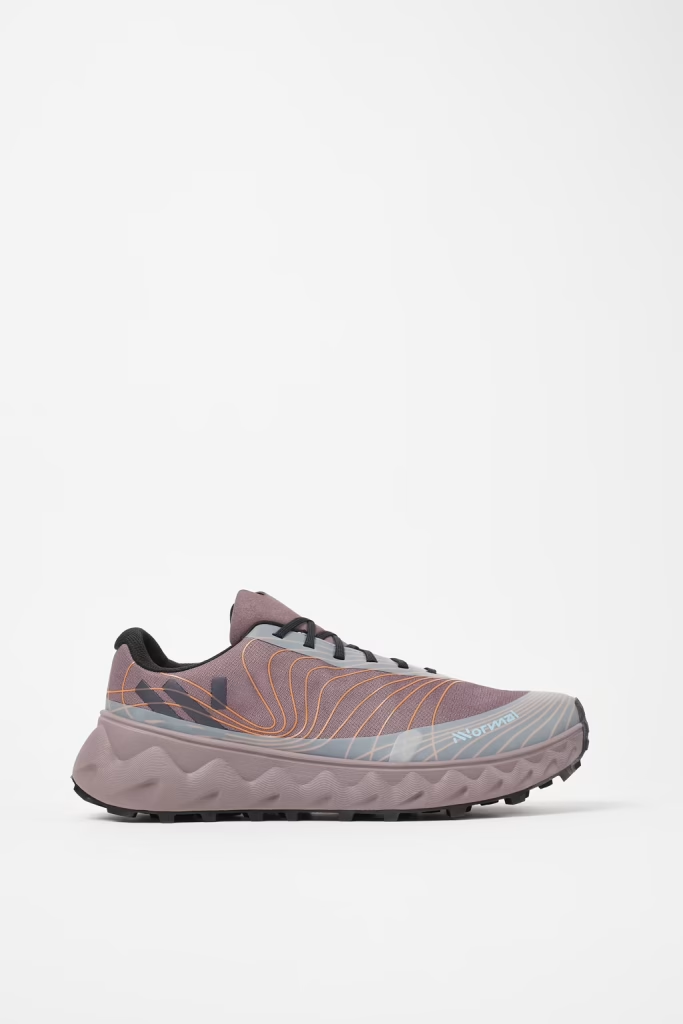
A Kilian Jornet-designed shoe that shines in the rain, streams, and unpredictable mountain conditions—and trust me, I put that to the test.
I wore the NNormal Tomirs for all the long canyon runs during La Ruta Madre, a 7-day adventure race through the Sierra Madre above Monterrey, Mexico (basically the Yosemite of Mexico—but less crowded… shhh). These shoes absolutely excelled at technical river running, where footing was constantly shifting between slippery boulders, wet slabs, loose rock, and steep canyon walls. We were literally running in rivers at times, and they gripped everything I threw at them.
They’re incredibly light, drain fast, and dry quickly—making them perfect for multi-day efforts with unpredictable weather or wet terrain. The rock plate and sticky outsole gave me the confidence to hop across sketchy sections of slabby rock without hesitation. They feel agile yet secure, and the upper molds to your foot like it was built for you.
The only downside? The laces. They’re long—like, “trip-on-your-own-feet” long. I eventually ended up trimming mine because I got tired of double-knotting and tucking them every time. Minor gripe, but worth noting.
If you’re tackling technical terrain, wet environments, or just want something light, responsive, and built for mountain movement—the Tomirs deliver.
Specs
- Drop: 8 mm | Weight: ~10.5 oz (mens medium)
- Outsole: Vibram Megagrip Litebase
Pros:
- Excellent grip on wet terrain
- Durable, lightweight design
- Eco-conscious build
Cons:
- Minimal cushioning
- Heel may feel loose for some
6. Most Exciting New Brand Entry: Rossignol Vezor

Rugged, responsive, and ready for big mountain terrain—Rossignol absolutely nailed their trail running debut with the Vezor.
Rossignol is a name most folks will recognize—but not necessarily from the running world. They’re a legacy ski and mountain sports company, long known for high-performance skis and technical outerwear. So it’s really no surprise that when they decided to step into the trail running game, they came in strong.
The Vezors impressed me immediately. From the design to the build quality, they look and feel fast. The upper has a streamlined, aggressive aesthetic, and the Michelin outsole—yes, as in the tire company—is an instant standout. It’s one of the most durable outsoles I’ve tested in a long time, with deep traction that grips well across loose dirt, rocky scrambles, and wet alpine terrain.
Even after just three solid mountain runs, I’m genuinely excited to keep testing them. They remind me of one of my all-time favorites—the Hoka Mafate Speed 4—with that perfect blend of comfort and responsiveness. But what sets the Vezor apart is how much ground feel they offer. You can feel the rocks and roots underfoot—not in a harsh way, but in a way that connects you to the trail. That “earthy” responsiveness makes them particularly ideal for off-trail running, where proprioception matters just as much as protection.
They have a toe box that is one of the narrower ones I have tested. But for runners who want a shoe that thrives off-trail terrain and isn’t afraid of rugged terrain, the Vezor is one to take a chance on.
Specs
- Drop: 6 mm | Weight: 231 g (per shoe)
- Aggressive lugs | Upper: Reinforced mesh
Pros:
- Excellent grip on steep, slippery terrain
- Durable and protective
- Rugged, mountain-ready design
Cons:
- Narrower toe box
- New to the scene/ not vetted as much
7. Best Minimalist / Low-Drop: NNormal Kjerag
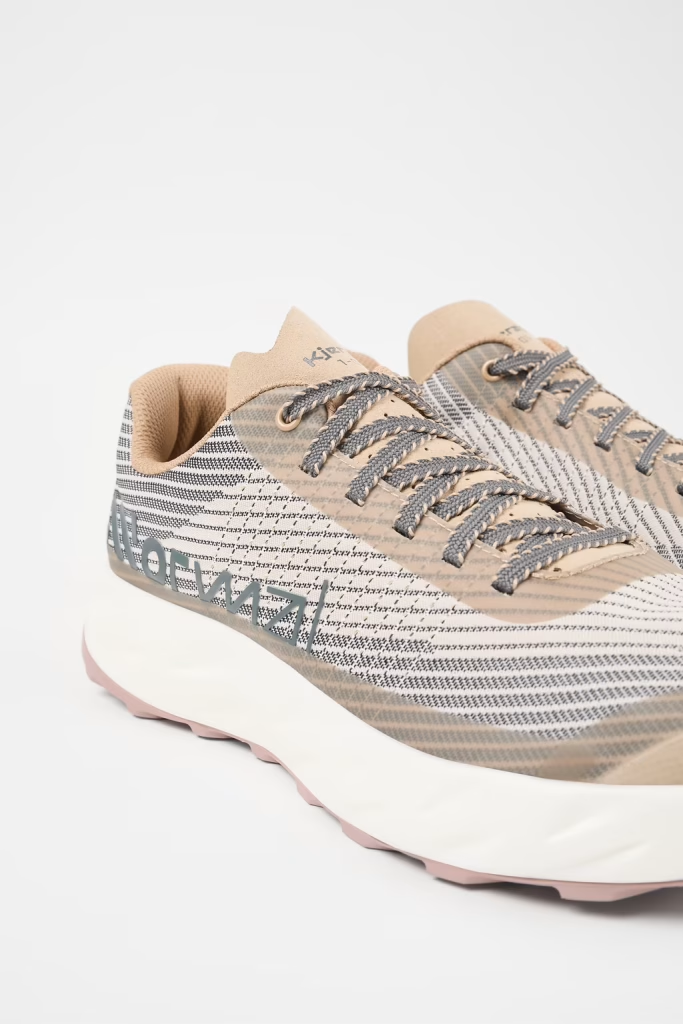
Featherlight and agile, the NNormal Kjerag delivers an almost barefoot feel without sacrificing performance. I wore these for high-speed efforts and techy mountain trails, and what stood out immediately was how connected I felt to the ground. They’re incredibly light (just over 7 oz), built with a thin yet surprisingly secure upper made of Matryx® fabric—a breathable, Kevlar-reinforced material that hugs your foot like a second skin. There’s no insole, so your foot rests directly on the midsole which gave me an very different kind of ground feel and zero slop inside the shoe. This supposedly leads to less blisters over time. The midsole—NNormal’s nitrogen-infused EExpure foam—feels firm and responsive, and the Vibram® Megagrip Litebase outsole gave me the confidence to run faster downhill on some super technical and loose rock.
These shoes aren’t plush or forgiving, but that’s the point—they’re made for technical terrain, fast efforts, and strong feet. I wouldn’t choose them for ultra-distance missions, but for days when you want to go fast and feel dialed into every part of the trail, they’re amazing. They do have a longer break-in period , (so don’t judge them right away) and the minimal cushion means you’ll feel roots and rocks more directly than in something like the Ultra Glide or Mafate. But if you’re after a stripped-back, performance-driven shoe that excels in the mountains, the Kjerag is a very, capable shoe.
Specs
- Drop: 6 mm | Weight: ~ 205 g
- Vibram Litebase Megagrip | Upper: Matryx®
Pros:
- Ultra-lightweight with technical grip
- Perfect for fast, precise running
- Minimalist and race-ready
Cons:
- Hard underfoot on rocky or long runs
- Narrow fit, minimal cushioning
Trail Shoe Comparison Chart
| Shoe | Best For | Drop | Weight (W) | Cushion | Traction Type | Fit |
|---|---|---|---|---|---|---|
| Hoka Mafate Speed 5 | All-around | 8 mm | 8.10 oz | Moderate | Vibram Megagrip | Regular |
| Salomon Genesis | Technical terrain | 8 mm | 234 g | Moderate | Contagrip | Snug / narrow |
| Hoka Mafate X | Long ultras | 8 mm | 10.3 oz | High | Vibram Megagrip | Roomy toe box |
| Salomon Ultra Glide 2 | Cruisy miles | 6 mm | 290 g | Moderate | Contagrip | Roomy toe box |
| NNormal Tomir | Wet/all-conditions | 8 mm | 10.5 oz | Moderate | Vibram Megagrip | Regular |
| Rossignol Vezor | Rugged mountain runs | 8 mm | 231 g | Moderate | Aggressive lugs | Narrow |
| NNormal Kjerag | Minimalist/speed | 6 mm | 205 g | Low | Vibram Litebase | Narrow-ish |
Final Thoughts
Every trail calls for a different tool—and the best trail shoe is the one that fits you and your terrain. These picks are all proven across real adventures—myself and my husband have logged many “type 1 and type 2” fun miles in these.
Tell me your go-to shoe (or the one that surprised you)! Gear geekery is my love language.
️
Another long advertisement for chunky running shoes.
Hey Marshall, thanks for the comment! I was an ambassador for Inov8 back in the day during the minimalist shoe movement and I still love them in certain conditions. However as I have gotten older, I’ve really enjoyed the growth in the Maximus movement as well!
The fact that the La Sportiva Prodigio Pro is not mentioned in this article totally invalidates it
Hey Bob! Thanks for the comment, Id love to hear more about the La Sportiva Prodigio Pro. It looks amazing but the closet can only fit so many shoes. I’ll put it on the list though to test!